Page under construction.
Non-passerine
New World Vultures (Cathartidae)
Turkey Vulture | Cathartes aura

Months Seen: December, February, April, May
Turkey Vultures eat carrion, which they find largely by their excellent sense of smell. The Turkey Vulture's distinctive slow, teetering flight style probably helps the bird soar at low altitudes, where it is best able to use its nose to find carrion. At other times they may soar high on thermals and form mixed flocks or kettles. Outside of the breeding season, Turkey Vultures form roosts of dozens to a hundred individuals. When Turkey Vultures court, pairs perform a "follow flight" display where one bird leads the other through twisting, turning, and flapping flights for a minute or so, repeated over periods as long as 3 hours. At carcasses, several Turkey Vultures may gather but typically only one feeds at a time, chasing the others off and making them wait their turn.
Kites, Hawks, & Eagles (Accipitridae)
Bald Eagle
Months Seen: February
Red-tailed Hawk
Months Seen: February
Grouse & Allies (Phasianidae)
Sooty Grouse
Quails (Odontophoridae)
Califronia Quail
Months Seen: November, April
Mountain Quail
Months Seen: April
Doves (Columbidae)
Band-tailed Pigeon
Months Seen: April
Hummingbirds (Trochilidae)
Anna's Hummingbird
Months Seen: April
Woodpeckers (Picidae)
Acorn Woodpecker (Melanerpes formicivorus)
Months Seen: December, April


Nuttall's Woodpecker
Months Seen: April
Hairy Woodpecker
Months Seen: February
Northern Flicker
Months Seen: February
Passerine
Flycatchers (Tyrannidae)
Olive-Sided Flycatcher
Months Seen: May
Black Phoebe | Sayornis nigricans
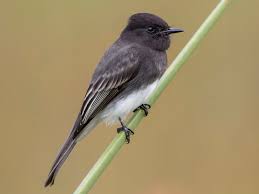
Months Seen: December
Vireos (Vireonidae)
Hutton's Vireo
Months Seen: November, April
Jay's & Crows (Corvidae)
Steller's Jay
Months Seen: November, December, February, April
California Scrub Jay
Months Seen: April, May
Common Raven
Months Seen: February, April, May
Chickadees & Titmice (Paridae)
Oak Titmouse
Months Seen: April, May
Chestnut-backed Chickadee
Months Seen: May
Bushtits (Aegithalidae)
Bushtit
Months Seen: February, May
Nuthatches (Sittidae)
White-breasted Nuthatch
Months Seen: December
Wrens (Troglodytidae)
Bewick's Wren
Months Seen: February, April, May
Kinglets (Regulidae)
Ruby-Crowned Kinglet
Months Seen: November
Thrushes (Turdidae)
Hermit Thrush
Months Seen: November
American Robin
Months Seen: April
Babblers (Timaliidae)
Wrentit
Months Seen: February, April, May
New World Warblers (Parulidae)
Orange-crowned Warbler
Months Seen: April, May
Sparrows & Allies (Emberizidae)
Fox Sparrow
Months Seen: November
Califronia Towhee
Months Seen: November
Spotted Towhee
Months Seen: February, April, May
Dark-eyed Junco
Months Seen: December, April, May
Finches (Fringillidae))
Purple Finch
Months Seen: May
House Finch
Months Seen: May
Grosbeaks & Buntings (Cardinalidae)
Black-headed Grosbeak

Months Seen: April, May